
Hotpoint Gas Cooker Manual: A Comprehensive Guide
This manual provides detailed instructions for Hotpoint gas cookers, covering installation, operation, safety, and maintenance for optimal cooking performance.
Understanding Your Hotpoint Gas Cooker
Hotpoint gas cookers are designed for efficient and reliable cooking, offering a range of features to suit various culinary needs. These appliances combine a gas hob for responsive heat control with a gas oven, often including additional functions like a gas grill.
Different models cater to diverse kitchen spaces and cooking styles, from freestanding units to integrated options. Understanding the specific components – burners, oven, control panel, and safety features – is crucial for safe and effective operation. This guide will help you navigate the functionalities of your Hotpoint gas cooker, ensuring you maximize its potential and enjoy consistent cooking results.

Model Identification and Variations
Hotpoint offers a diverse range of gas cookers, each identified by a unique model number – for example, Hotpoint 60HGP or HUG61P. These models vary in size, features, and design. Variations include freestanding versus integrated units, differing hob burner configurations (number and size), and oven capacity.
Some models feature conventional ovens, while others include fan-assisted ovens or gas grills. Identifying your specific model is essential for accessing the correct manual and troubleshooting information. Locate the model number on the appliance’s rating plate, typically found on the rear or inside the oven door frame, to ensure accurate guidance.
Safety Precautions: Gas Cooker Operation
Gas cookers require strict adherence to safety guidelines. Always ensure adequate ventilation during operation to prevent carbon monoxide buildup. Regularly check gas connections for leaks using a soapy water solution – never a flame. Never leave a gas cooker unattended while in use.
Keep flammable materials away from burners and the oven. Be cautious of hot surfaces; use oven gloves. Familiarize yourself with the Flame Failure Device (FFD), which automatically cuts off the gas supply if the flame extinguishes. If you smell gas, immediately turn off the supply, open windows, and contact a qualified technician.
Initial Setup and Installation
Initial setup demands careful attention to gas and electrical connections. Ensure the cooker is placed on a level, stable surface. A qualified technician must perform the gas connection, verifying compliance with local regulations. The electrical connection should also be carried out by a professional, ensuring correct voltage and grounding.
Before first use, remove all packaging and protective films. Check all burners and the oven for any damage. If adapting to a different gas type, follow the specific instructions provided in the manual to adjust the cooker accordingly. Proper installation guarantees safe and efficient operation.
Gas Connection Requirements
Gas connection must be performed by a qualified and registered gas engineer, adhering to all local gas safety regulations. The gas supply pressure must match the cooker’s requirements, specified on the rating plate. A flexible gas hose conforming to relevant standards is typically used, ensuring it’s free from kinks or damage.
A shut-off valve should be readily accessible for emergency isolation. Leak tests with soapy water are crucial after connection. Ensure proper ventilation in the room where the cooker is installed. Incorrect gas connection can lead to dangerous situations, so professional installation is paramount.
Electrical Connection Requirements
Electrical connection should only be carried out by a qualified electrician, complying with current wiring regulations. The cooker’s rating plate details the required voltage and frequency. A dedicated circuit breaker is recommended for optimal safety and performance. Ensure the cooker is properly earthed to prevent electric shock.

The electrical supply cable must be of adequate size to handle the cooker’s power consumption. A correctly rated fused connection unit, accessible for maintenance, is essential. Incorrect electrical installation can pose a serious hazard, so professional expertise is vital. Always disconnect power before any electrical work.
Control Panel Overview
The control panel houses the knobs and switches for managing both the hob burners and the oven functions. Each burner has a dedicated control knob, typically marked with flame symbols indicating varying heat levels. Oven controls include mode selection – conventional, grill, or fan-assisted – and temperature settings.
Digital displays, on some models, show the selected oven mode and temperature. Timer functions are also often integrated into the control panel. Familiarize yourself with the layout and markings to ensure accurate and efficient operation. Refer to the detailed sections for specific instructions on each control.
Hob Burner Controls
Each hob burner features a control knob for ignition and flame adjustment. To ignite, push in and turn the knob clockwise to the large flame symbol, holding it for approximately three seconds after the gas ignites. This ensures the flame-failure device engages correctly.
Flame adjustment is achieved by continuing to turn the knob between the minimum and maximum flame settings. The knob markings correspond to heat levels. Always start with a low flame and increase as needed. Ensure burners are clean for optimal performance. Consistent pushing and turning is key for reliable ignition.
Oven Control Settings
The oven control panel offers various settings for diverse cooking needs. These typically include conventional oven mode for general baking, a gas grill function for browning and broiling, and potentially a fan-assisted mode for even heat distribution.
Temperature is adjusted using a dial or digital controls, with recommended settings provided for different food types. Some models feature pre-set programs for common dishes. Always preheat the oven before cooking. Refer to the cooking guide for optimal temperatures and times. Ensure proper ventilation during gas grill operation.
Using the Hob Burners
The hob burners provide precise heat control for various cooking tasks. To ignite, push in and turn the control knob clockwise to the large flame symbol, holding it for approximately three seconds after the gas ignites.
Flame adjustment is achieved by turning the knob; higher settings yield greater heat. Regularly clean burners to maintain optimal performance. Ensure proper ventilation while in use. For safety, always supervise cooking and never leave unattended. Different burner sizes accommodate various pot and pan dimensions.
Ignition Procedure – Step-by-Step
First, ensure the control knob is in the ‘off’ position. Second, gently push in the desired burner control knob. Third, simultaneously turn the knob clockwise to the large flame symbol. Fourth, continue holding the knob in for approximately three seconds after the burner ignites.
If ignition fails, release the knob and repeat the process. If it still doesn’t light, consult the troubleshooting section. Never attempt to light a burner if you smell gas. Always ensure proper ventilation during operation. This ensures safe and efficient burner activation.
Flame Adjustment and Control
To adjust the flame, turn the control knob between the low and high flame symbols. A smaller flame is suitable for simmering, while a larger flame is ideal for boiling or fast cooking. Observe the flame; it should be blue and stable. A yellow or flickering flame indicates incomplete combustion and may require cleaning.
Avoid excessive flame height extending beyond the base of the cookware. Regularly check burner performance and adjust as needed for optimal efficiency and safety. Proper flame control ensures even cooking and minimizes gas wastage.
Burner Cleaning and Maintenance
Regular cleaning maintains optimal burner performance. Turn off the gas supply and allow the burners to cool completely before cleaning. Remove burner caps and rings, washing them with warm, soapy water. Use a non-abrasive sponge to avoid damage. Clear any blockages in the burner ports using a thin wire or needle.
Ensure the burner ports are completely dry before reassembling. Inspect the flame for a consistent blue color after cleaning. Periodic maintenance prevents issues and ensures safe, efficient operation. Avoid using harsh chemicals or abrasive cleaners.
Oven Functions and Settings
Hotpoint gas cookers offer diverse oven functions. Conventional mode utilizes heat from the bottom and top elements for traditional baking. The gas grill provides intense top heat, ideal for browning and quick cooking. Fan-assisted ovens (on applicable models) circulate hot air for even temperature distribution and faster cooking times.
Control settings allow precise temperature adjustments. Familiarize yourself with each function’s specific settings for optimal results. Some models feature additional settings like defrost or proving. Always preheat the oven before cooking for consistent outcomes.
Conventional Oven Mode
Conventional oven mode on your Hotpoint gas cooker utilizes static heat from the top and bottom elements, mimicking traditional baking methods. This is perfect for cakes, roasts, and pastries where even, gentle cooking is desired. It’s ideal when a recipe specifically calls for conventional baking.
Preheating is crucial for consistent results; allow sufficient time for the oven to reach the set temperature. Avoid opening the door frequently during cooking to maintain a stable temperature. Adjust shelf positions based on the food type for optimal browning and cooking.
Gas Grill Operation
The gas grill function on your Hotpoint cooker provides intense, direct heat from above, ideal for quick cooking of smaller items like steaks, sausages, or melting cheese on gratins. Ensure the grill is clean before use to prevent flare-ups and ensure even cooking.
Preheat the grill for several minutes before adding food. Adjust the grill temperature using the control knob; higher settings are for searing, while lower settings are for gentler cooking. Monitor food closely, as grilling happens quickly. Always use oven-safe cookware suitable for high temperatures.

Fan Assisted Oven Mode (if applicable)
Fan assisted mode utilizes a fan to circulate hot air evenly throughout the oven cavity, resulting in faster preheating and more consistent cooking temperatures. This is particularly useful for cooking multiple dishes simultaneously on different racks, or for achieving a uniform bake.
Reduce cooking temperatures by approximately 20°F (10°C) when using fan assisted mode, as the circulating air cooks food more efficiently. This mode is excellent for roasting meats, baking pastries, and cooking casseroles. Ensure the fan is functioning correctly before each use for optimal results.

Cleaning and Maintenance
Regular cleaning ensures your Hotpoint gas cooker operates safely and efficiently. Always disconnect the appliance from the gas and electricity supply before cleaning. For the hob, remove grates and burner caps, washing them with warm soapy water. Wipe the hob surface with a damp cloth and mild detergent.
The oven interior benefits from periodic cleaning. Self-cleaning models offer a convenient option, while others require manual cleaning with oven cleaner, following product instructions carefully. Regularly clean the exterior with a soft cloth and appropriate cleaner. Avoid abrasive materials that could cause damage.
Hob Cleaning Procedures

Effective hob cleaning maintains performance and appearance. Begin by ensuring the cooker is cool and disconnected from power. Remove the pan supports and burner caps; these can be washed in warm, soapy water or a dishwasher if suitable. Wipe the hob surface with a damp cloth and mild detergent, removing any spills or food residue.
For stubborn stains, use a specialized hob cleaner, following the manufacturer’s instructions. Avoid abrasive cleaners or scouring pads, as they can scratch the surface. Rinse thoroughly and dry with a soft cloth. Regularly cleaning prevents buildup and ensures efficient burner operation.
Oven Cleaning – Self-Cleaning Options (if applicable)
If your Hotpoint gas cooker features a self-cleaning oven, it utilizes high temperatures to burn off food residue. Before initiating the cycle, remove all racks, baking stones, and any foil. Ensure the oven door is securely locked. Select the appropriate self-cleaning cycle duration based on soil level – typically ranging from two to four hours.
During the cycle, the oven will heat to extremely high temperatures, producing smoke and odors. Ensure adequate ventilation by opening windows. Once complete, allow the oven to cool completely before wiping away any remaining ash with a damp cloth.
Exterior Cleaning and Care
To maintain the appearance of your Hotpoint gas cooker, regularly clean the exterior surfaces. Use a mild detergent solution and a soft cloth to wipe down the control panel, sides, and top. Avoid abrasive cleaners, as they can scratch the finish. For stainless steel surfaces, use a dedicated stainless steel cleaner for optimal results.
Pay attention to areas prone to grease buildup, such as around the hob burners and oven door. Wipe spills immediately to prevent staining. Ensure the cooker is switched off and cool before cleaning. Dry all surfaces thoroughly after cleaning to prevent watermarks.
Troubleshooting Common Issues
If your Hotpoint gas cooker experiences problems, check common issues first. Burner ignition problems may stem from a blocked burner port – clean it carefully. Oven temperature inaccuracies could indicate a faulty temperature sensor; contact support. A gas smell requires immediate action: shut off the gas supply, ventilate the area, and call a qualified technician.
Ensure the flame failure device (FFD) is functioning correctly if burners repeatedly extinguish. Refer to the safety precautions section. If issues persist, do not attempt repairs yourself; contact Hotpoint customer support for assistance and qualified service.
Burner Ignition Problems
If a burner fails to ignite, first ensure the gas supply is on. Check for blocked burner ports; debris can prevent gas flow. Push in and turn the control knob clockwise to the large flame symbol, holding it for 3 seconds after ignition. If it still doesn’t light, the igniter may be faulty.
Verify the flame failure device (FFD) isn’t interrupting the gas supply. A clicking sound indicates the igniter is working, but no flame. Clean the burner assembly thoroughly. If problems continue, consult a qualified technician for repair or replacement of components.
Oven Temperature Inaccuracies

If your Hotpoint gas oven isn’t reaching the set temperature, or is fluctuating, several factors could be at play. Ensure the oven door seals properly; a damaged seal allows heat escape. Calibrate the oven using a separate oven thermometer for accurate readings. Avoid overloading the oven, as this impacts air circulation.
Check the gas supply pressure; insufficient gas can cause temperature issues. A faulty oven thermostat may also be the culprit, requiring professional replacement. Regularly cleaning the oven prevents buildup that affects heat distribution. If inaccuracies persist, contact a qualified technician.
Gas Smell Detection and Response
If you detect a gas smell, immediate action is crucial. Do not operate any electrical switches – this includes lights! Avoid open flames or anything creating a spark. Immediately open windows and doors to ventilate the area thoroughly.
Turn off the gas supply at the meter or main shut-off valve. Do not attempt to locate the leak yourself. Evacuate the premises and, from a safe location, contact your gas supplier or emergency services. Do not re-enter until the area is declared safe by qualified professionals. Regular maintenance minimizes leak risks.
Adapting to Different Gas Types
Hotpoint gas cookers are typically configured for natural gas. However, conversion to LPG (Liquefied Petroleum Gas) is often possible, but requires a qualified gas engineer. Do not attempt this conversion yourself, as incorrect installation can be dangerous.
The conversion involves replacing the existing gas injectors with those suitable for LPG, and adjusting the cooker’s settings according to the manufacturer’s instructions. Ensure the gas supply pressure is compatible with the cooker’s requirements. Always verify the conversion with a gas safety check post-installation.
Detailed Specifications by Model
Hotpoint offers a diverse range of gas cookers, each with unique specifications. Model numbers, like Hotpoint 60HGP, indicate features and dimensions. Specifications include oven capacity (liters), hob burner power (kW), energy consumption, and overall dimensions (height, width, depth).

Detailed information, including gas type compatibility, electrical requirements, and specific safety features, is available for each model. Refer to the Hotpoint website or the specific model’s documentation for precise details. These specifications are crucial for ensuring proper installation and operation.
Warranty Information and Support
Hotpoint gas cookers are covered by a standard manufacturer’s warranty, typically spanning one to two years, protecting against defects in materials and workmanship. The warranty period may vary depending on the specific model and region.
For warranty claims and customer support, visit the official Hotpoint website or contact their dedicated customer service team. Online resources, including FAQs and troubleshooting guides, are readily available. Hotpoint also provides a network of authorized service centers for repairs and maintenance. Keep your proof of purchase for warranty validation.
Understanding Safety Features

Hotpoint gas cookers incorporate several crucial safety features to ensure safe operation. The Flame Failure Device (FFD) automatically cuts off the gas supply to burners if the flame extinguishes, preventing gas leaks. Gas burner safety devices prevent accidental ignition and ensure stable flame control.
Regularly inspect gas connections for leaks and ensure adequate ventilation during use. Never leave a cooker unattended while in operation. Familiarize yourself with the location of the gas shut-off valve for emergency situations. Always follow the outlined safety precautions in this manual.
Flame Failure Device (FFD)
The Flame Failure Device (FFD) is a critical safety component in your Hotpoint gas cooker. It continuously monitors the presence of a flame on each burner. If the flame accidentally goes out – due to a draught, spillage, or other reason – the FFD instantly shuts off the gas supply to that burner.
This prevents unburnt gas from accumulating, significantly reducing the risk of a gas leak and potential hazards. To operate, push in and turn the control knob, holding it for a few seconds after ignition. Ensure the FFD is functioning correctly during regular use.
Gas Burner Safety Devices
Hotpoint gas cookers incorporate several safety devices to ensure safe operation. Beyond the Flame Failure Device (FFD), many models feature additional safeguards on the gas burners. These devices are designed to prevent gas from flowing if the ignition doesn’t occur within a specific timeframe.
These systems often include automatic shut-off mechanisms and sensors that detect gas leaks. Regular inspection and maintenance are crucial for optimal performance. Always follow the instructions for adapting to different gas types to maintain safety. Prioritize safety by understanding these features.
Cooking Tips and Recipes
Hotpoint gas cookers offer precise control for excellent cooking results. For quick starts, utilize the high heat setting, ideal for searing and boiling. Adjust flames carefully to maintain consistent temperatures. Recommended oven temperatures vary by dish; consult recipes for guidance.
Optimizing cooking times requires understanding your cooker’s capabilities. Experiment with different burner settings to achieve desired results. The gas grill function is perfect for quick, high-heat cooking. Explore online resources for Hotpoint-specific recipes and further cooking inspiration.
Optimizing Cooking Times
Hotpoint gas cookers respond quickly to temperature adjustments, allowing for precise cooking control. Preheating is crucial; allow sufficient time for the oven to reach the desired temperature before placing food inside. Utilize the correct burner size for your cookware to maximize efficiency and minimize heat loss.
For faster cooking, consider using the gas grill or fan-assisted oven mode (if equipped). Regularly check food during cooking, adjusting times as needed based on your Hotpoint model and recipe. Understanding your cooker’s heat distribution will significantly improve your results.
Recommended Oven Temperatures
Hotpoint gas ovens offer versatile cooking options. For roasting meats, a temperature of 180-200°C (350-400°F) is generally recommended. Baking cakes and pastries typically requires 160-180°C (320-350°F). Vegetable roasting benefits from higher heat, around 200-220°C (400-430°F), for optimal caramelization.
Utilize the oven’s temperature settings as a guide, adjusting based on your specific recipe and desired results. Remember that gas oven temperatures can vary slightly; monitoring food closely is essential. Experiment to find the sweet spot for your Hotpoint model and preferred dishes.
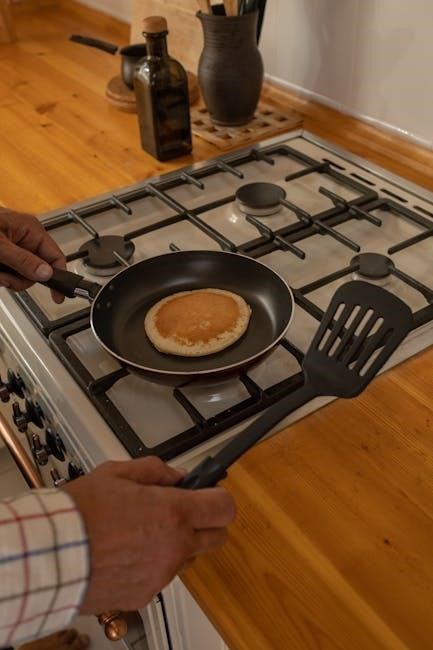
User Manual Download Locations
Hotpoint appliance manuals, including those for gas cookers, are readily available online. Visit the official Hotpoint website and navigate to the support or manuals section. You can search by model number for a precise match. Alternatively, retailer websites like Argos often host downloadable manuals for products they sell.
Several third-party manual databases also archive appliance documentation. Ensure the website is reputable before downloading. Searching online using your specific model number and “user manual” will yield numerous results. Download and save a digital copy for future reference.


About the author