Monthly Archive February 10, 2026

Bycecelia

mini tacos air fryer instructions

Mini Tacos in Air Fryer: A Comprehensive Guide

Discover the ultimate guide to crafting delightful mini tacos using your air fryer! From crispy shells to flavorful fillings,
we’ll explore easy instructions and exciting variations for a quick, healthy, and satisfying meal.

What are Mini Tacos?

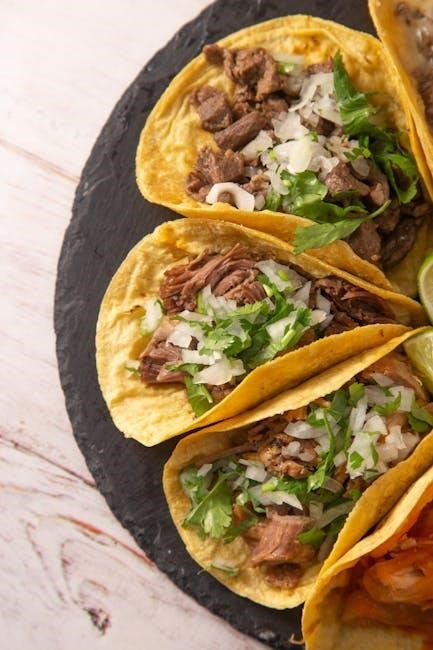
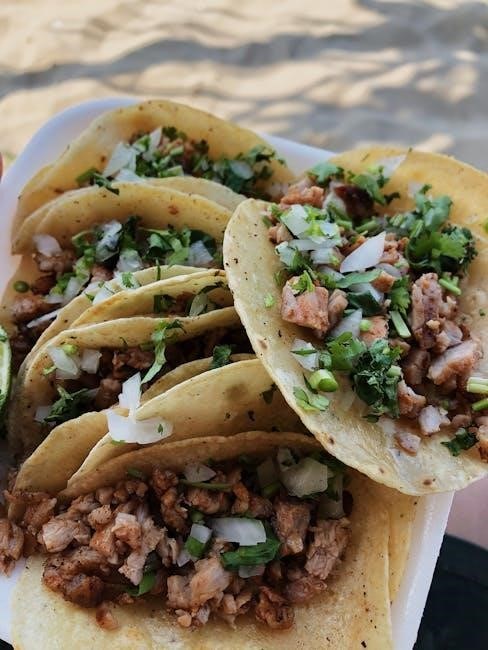
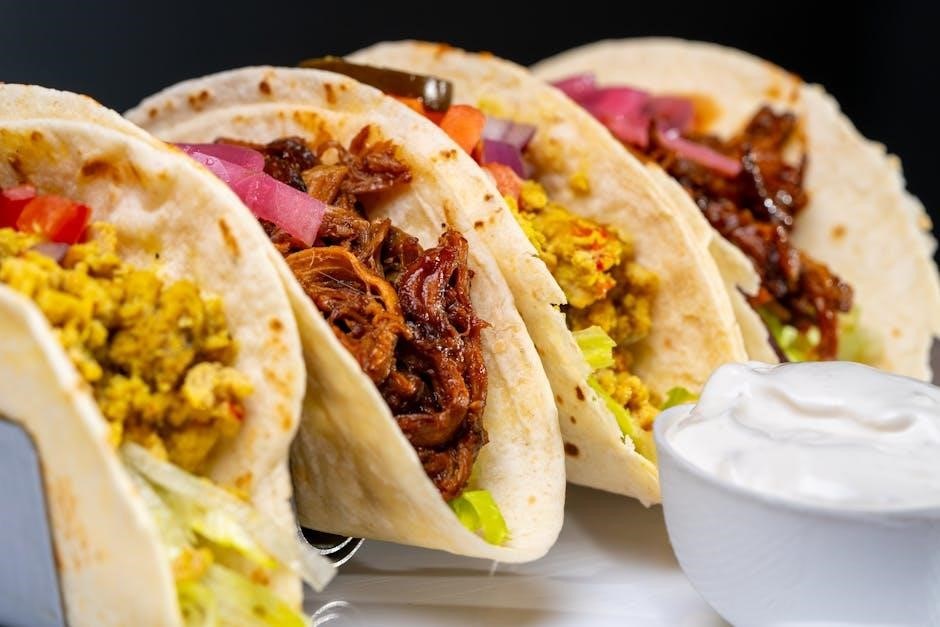
Mini tacos are a fun, bite-sized version of the classic Mexican street food. They typically feature small, crispy taco shells filled with a variety of savory ingredients, offering a delightful explosion of flavor in every bite. Unlike their larger counterparts, mini tacos are perfect for appetizers, parties, or a quick and satisfying snack.

These miniature delights allow for greater variety, enabling you to experiment with diverse fillings like seasoned ground beef, tender chicken, succulent shrimp, or even plant-based options like sweet potato and black beans. The compact size also makes them incredibly easy to handle and enjoy, especially for gatherings where guests can sample multiple flavors. They’re a playful twist on a beloved favorite!

Why Use an Air Fryer for Mini Tacos?

An air fryer is a game-changer when it comes to making mini tacos! It delivers that desirable crispy texture without the need for deep frying, resulting in a healthier and less greasy treat. The rapid air circulation ensures even cooking, guaranteeing perfectly heated fillings and delightfully crunchy shells.

Compared to traditional methods, air frying is significantly faster and requires minimal cleanup. You’ll enjoy all the flavor and satisfaction of fried tacos with a fraction of the effort. Plus, your kitchen stays cooler, avoiding the mess and lingering odors associated with oil. It’s a convenient and efficient way to enjoy this popular snack!

Popular Mini Taco Filling Options

The beauty of mini tacos lies in their versatility! You can stuff them with almost anything your heart desires. Ground beef is a classic choice, seasoned with traditional taco spices for a familiar flavor. For a lighter option, consider chicken – shredded or diced and marinated for extra zest.

Shrimp offers a delightful seafood twist, pairing beautifully with a vibrant cilantro slaw. Beyond these staples, explore creative fillings like sweet potato and black bean for a plant-based delight, or even a surprising bolognese sauce for a unique fusion. The possibilities are truly endless, allowing you to customize your mini tacos to your exact preferences!

Ground Beef Mini Tacos

Ground beef mini tacos are a timeless favorite, offering a hearty and satisfying bite. Begin with high-quality ground beef, browned and drained of excess fat. Season generously with a classic taco seasoning blend – chili powder, cumin, paprika, garlic powder, and a pinch of cayenne for heat.

Ensure the beef is fully cooked and slightly crumbled for optimal texture within the mini taco shells. A little water added during cooking keeps it moist. This filling pairs wonderfully with classic toppings like shredded lettuce, diced tomatoes, and a dollop of sour cream. It’s a guaranteed crowd-pleaser, delivering a familiar and comforting taco experience in miniature form!

Chicken Mini Tacos

Chicken mini tacos offer a lighter, yet equally flavorful, alternative to beef. Utilize pre-cooked shredded chicken or quickly poach chicken breasts and shred them yourself. Marinate the chicken in a vibrant blend of lime juice, chili powder, and cumin for enhanced taste.

For an extra layer of flavor, consider using a queso seasoning blend, creating deliciously addictive queso chicken tacos. This filling is incredibly versatile, complementing both classic and unique taco toppings. The tender chicken, combined with the crispy shell, creates a delightful textural contrast. It’s a healthy and satisfying option for a quick and easy meal!

Shrimp Mini Tacos

Shrimp mini tacos are a fantastic option for a light and flavorful meal, rivaling even street tacos! Use pre-cooked shrimp to streamline the process, or quickly sauté peeled and deveined shrimp with garlic, chili powder, and a squeeze of lime juice.

Pair the shrimp with a vibrant cilantro slaw and pickled red onions for a burst of freshness and tangy flavor. These additions elevate the tacos to a whole new level. The air fryer ensures a perfectly crispy shell, providing a delightful contrast to the tender shrimp. It’s a healthy and satisfying choice, perfect for a quick weeknight dinner!

Preparing the Mini Taco Shells

Achieving perfectly crispy mini taco shells is crucial for an enjoyable experience! Begin by choosing the right shells – hard or soft, depending on your preference. Hard shells benefit greatly from the air fryer’s ability to restore crispness.

Pre-heating the air fryer is essential; aim for 350°F (175°C) for optimal results. Lightly spray the shells with cooking oil for enhanced crisping and even browning. Arrange the shells in a single layer within the air fryer basket, avoiding overcrowding. This ensures each shell gets adequately heated and maintains its structural integrity.

Choosing the Right Mini Taco Shells

Selecting the ideal mini taco shells significantly impacts the final outcome. You have options: pre-formed hard shells, soft tortillas for folding, or even making your own! For air frying, pre-made hard shells are popular for regaining lost crispness. However, soft tortillas can also be used, achieving a lightly toasted texture.

Consider the shell’s material – corn or flour. Corn shells offer a robust crunch, while flour shells are more pliable. Ensure the shells are appropriately sized for your filling. Smaller shells are perfect for bite-sized appetizers, while larger ones accommodate more substantial fillings. Quality matters; choose shells that are unbroken and appear fresh.

Pre-heating the Air Fryer

Proper pre-heating is crucial for achieving perfectly crispy mini tacos. Most air fryers require pre-heating to ensure even cooking and optimal texture. Typically, pre-heat your air fryer to 350°F (175°C) for approximately 3-5 minutes. This step prepares the air fryer basket, allowing the shells to crisp up efficiently.

Always consult your air fryer’s manual for specific pre-heating instructions, as times can vary between models. A well-heated air fryer promotes faster cooking and prevents the shells from becoming soggy. Skipping this step can result in unevenly cooked tacos. Ensure the heating element is fully activated before adding the mini taco shells.

Air Fryer Cooking Times & Temperatures

Achieving the ideal crispness requires precise temperature and timing. Generally, air fry mini taco shells at 350°F (175°C) for 3-5 minutes. Monitor closely, as cooking times can vary depending on your air fryer model and the shell’s thickness. For filled mini tacos, a slightly lower temperature of 320°F (160°C) for 5-7 minutes is recommended to ensure the filling heats through without burning the shell.

Regularly check for desired crispness, shaking the basket halfway through for even cooking. Avoid overcrowding the basket; work in batches if necessary. Overfilled baskets lead to steaming instead of frying, resulting in soft tacos. Adjust cooking time based on your preference for shell texture.

Step-by-Step Instructions: Basic Mini Taco Recipe

Let’s create delicious mini tacos! First, preheat your air fryer to 350°F (175°C). While it heats, brown 1/2 lb of ground beef, drain excess fat, and season with taco seasoning. Next, arrange mini taco shells in a single layer in the air fryer basket – avoid overcrowding. Air fry for 3-5 minutes, checking for desired crispness.

Carefully remove shells and fill with seasoned ground beef. Return filled tacos to the air fryer at 320°F (160°C) for another 2-3 minutes to warm the filling. Finally, top with your favorite toppings and serve immediately. Enjoy these quick and easy air-fried delights!

Recipe Variation: Queso Chicken Mini Tacos

Elevate your mini taco game with this queso chicken variation! Begin by cooking 1 lb of diced chicken breast, then shred it and mix with 1 cup of your favorite queso dip. Preheat your air fryer to 375°F (190°C). Arrange mini taco shells in the basket, ensuring they aren’t overlapping.

Fill each shell generously with the queso chicken mixture. Air fry for 3-4 minutes, or until the filling is heated through and the shells are golden and crispy. These dangerously delicious tacos are packed with flavor! Garnish with a sprinkle of cilantro and a dollop of sour cream for an extra touch.

Recipe Variation: Sweet Potato and Black Bean Mini Tacos

For a vibrant and plant-based option, try these sweet potato and black bean mini tacos! Dice one medium sweet potato and roast it until tender. In a bowl, combine the roasted sweet potato with one can of drained and rinsed black beans, a dash of chili powder, and cumin.

Preheat your air fryer to 350°F (175°C). Fill each mini taco shell with the sweet potato and black bean mixture. Air fry for 3-5 minutes, until the shells are warmed and slightly crispy. Jamie Oliver’s inspired recipe delivers fresh, spicy flavors! Top with avocado slices and a squeeze of lime juice for a delightful, healthy treat.

Toppings and Serving Suggestions

Elevate your air fryer mini tacos with a delightful array of toppings! Classic Taco Toppings include shredded lettuce, diced tomatoes, chopped onions, and a dollop of sour cream. Don’t forget a sprinkle of shredded cheese – cheddar, Monterey Jack, or a Mexican blend work wonderfully.

Unique Taco Toppings can add a special touch. Consider a vibrant cilantro slaw, pickled red onions for a tangy kick, or a drizzle of spicy sriracha mayo. Serve your mini tacos with a side of guacamole and salsa for a complete and satisfying meal. These are perfect for sharing or enjoying as a flavorful snack!

Classic Taco Toppings

For a traditional taco experience, embrace the timeless classics! Start with a generous layer of crisp, shredded lettuce, providing a refreshing crunch. Dice ripe tomatoes for a burst of juicy sweetness, and finely chop white or red onions for a subtle bite. A dollop of cool, creamy sour cream adds richness and balances the flavors.

Don’t underestimate the power of cheese! Shredded cheddar, Monterey Jack, or a vibrant Mexican blend melt beautifully and complement the filling. A sprinkle of fresh cilantro brightens the overall taste. These simple, yet essential toppings transform your air fryer mini tacos into a familiar and comforting delight.

Unique Taco Toppings

Elevate your mini taco game with unexpected and exciting toppings! Consider a vibrant mango salsa for a sweet and spicy kick, or a zesty pineapple relish to brighten the flavors. Pickled red onions offer a tangy crunch, while a drizzle of spicy mayo adds creamy heat.

For a gourmet touch, explore crumbled cotija cheese, a flavorful Mexican cheese, or a sprinkle of toasted pepitas (pumpkin seeds) for added texture. A smear of avocado crema provides richness and coolness. Don’t be afraid to experiment – these unique additions will transform your air fryer mini tacos into a culinary adventure!

Tips for Perfectly Crispy Mini Tacos

Achieving ultimate crispiness is key! Avoid overcrowding the air fryer basket; work in batches for even cooking. A light spray of oil onto the shells before air frying enhances browning and texture. Pre-heating the air fryer is crucial for optimal results – ensure it’s hot before adding the tacos.

For extra crunch, flip the mini tacos halfway through the cooking process. Monitor closely during the final minutes to prevent burning. If using pre-made shells, check for any moisture; a slightly dry shell crisps up better. Remember, air frying delivers a healthier, satisfying crunch without excessive oil!

Troubleshooting Common Issues

Shells not crispy enough? Increase cooking time by 1-2 minutes, or slightly raise the air fryer temperature. Ensure the shells aren’t overcrowded, allowing for proper air circulation. A light oil spray can also help achieve desired crispness. Filling too hot? Allow the filling to cool slightly before assembling the tacos, preventing shell breakage and ensuring a more comfortable eating experience.

If tacos are burning, reduce the temperature and cooking time. Monitor closely during the final minutes. Remember, air fryers vary, so adjustments may be needed. Experiment to find the sweet spot for your specific model!

Shells Not Crispy Enough

Achieving perfectly crispy mini taco shells in your air fryer requires a few key adjustments. First, ensure you aren’t overcrowding the basket; shells need space for air circulation. Try increasing the cooking time by one to two minutes, carefully monitoring to prevent burning. A light spray of oil – avocado or olive oil work well – can significantly enhance crispness.

Consider pre-heating the air fryer thoroughly before adding the shells. If issues persist, slightly increase the temperature, but be cautious. Experiment with small batches to dial in the ideal settings for your specific air fryer model and shell type.

Filling Too Hot

A common challenge when air frying mini tacos is managing the filling temperature. Excessively hot fillings can cause shells to become soggy or even crack during assembly and cooking. Always allow cooked fillings – like ground beef, chicken, or shrimp – to cool slightly before spooning them into the shells.

Consider preparing the filling in advance and refrigerating it briefly. This helps maintain structural integrity. Avoid overfilling the shells, as this exacerbates the heat issue. If using cheese, add it towards the end of the air frying cycle to prevent excessive melting and leakage.

Cleaning and Maintenance of Your Air Fryer

Regular cleaning is crucial for optimal air fryer performance and longevity. After making mini tacos, allow the basket and pan to cool completely before removing and washing. Most air fryer components are dishwasher safe, but check your manufacturer’s instructions. For stubborn food residue, soak the basket in warm, soapy water.

Avoid abrasive cleaners that could damage the non-stick coating. Wipe down the exterior of the air fryer with a damp cloth. Periodically check and clean the heating element, if accessible, to remove any grease buildup. Proper maintenance ensures consistently crispy mini tacos and extends the life of your appliance.

Safety Precautions When Air Frying

Always prioritize safety when using your air fryer to create delicious mini tacos. Never leave the air fryer unattended during operation. Ensure the appliance is placed on a stable, heat-resistant surface, away from flammable materials. Avoid overfilling the basket, as this can cause uneven cooking and potential hazards.

Be cautious when removing the basket, as it will be hot. Use oven mitts or tongs to prevent burns. Never immerse the air fryer housing in water. Regularly inspect the power cord for damage and discontinue use if any issues are detected. Following these precautions guarantees a safe and enjoyable mini taco experience.

Bycecelia

fantasy draft guide

Fantasy Draft Guide: Dominate Your League in 2026

Prepare for the 2026 fantasy football season! This guide, drawing from experts like Matt Bowen at ESPN and Justin Boone at Yahoo Sports, will equip you to build a championship-winning team, whether you’re a seasoned pro or a newcomer to dynasty or keeper leagues.

Understanding Draft Strategy Fundamentals

Successful fantasy football drafting isn’t about luck; it’s about a strategic approach. The core principle revolves around understanding positional scarcity and value. Early rounds should prioritize positions with limited high-end options – traditionally running backs, though that’s evolving, as noted by discussions around the Zero-RB theory.

Value Over Replacement (VORP) is crucial. Don’t simply draft the highest-ranked player; consider the drop-off in production when replacing that player.

Draft position significantly impacts strategy. Early picks afford the luxury of securing elite talent, while later picks require more creativity and identifying potential sleepers.

Be adaptable. The draft rarely unfolds as planned. Reacting to other managers’ picks and adjusting your strategy on the fly is essential.

Understanding league format matters. Dynasty and keeper leagues demand a different approach than redraft leagues, focusing on long-term asset acquisition.

The Evolution of Fantasy Draft Approaches

Fantasy draft strategies have dramatically shifted over time. The once-dominant approach of prioritizing running backs in the early rounds is now being challenged by evolving theories like Zero-RB, which suggests delaying running back selection in favor of wide receiver depth and quarterback/tight end value.

This shift stems from changes in the NFL. Increased passing offenses and the rise of committee backfields have diminished the reliability of early-round running backs.

The emergence of analytical tools has also played a role, allowing for more data-driven decisions and a greater emphasis on positional scarcity.

Auction drafts offer another evolution, moving away from the traditional snake draft format and introducing a bidding system that requires a different skillset.

Staying informed about these trends, as highlighted by experts like Matt Bowen, is crucial for staying ahead of the competition and adapting your strategy accordingly.

Zero-RB Theory: A Deep Dive

The Zero-RB theory proposes delaying the selection of running backs until the later rounds of your fantasy draft. Proponents argue that the positional volatility and injury rates of running backs make them less valuable early picks compared to wide receivers or quarterbacks.

Instead, the strategy focuses on securing elite pass-catchers and potentially a top-tier quarterback early on, capitalizing on their consistent production. The idea is to then find value at running back in the mid-to-late rounds, or even on the waiver wire, as opportunities arise.

This approach requires a keen eye for identifying potential breakout running backs and a willingness to embrace risk;

As noted by fantasy football analysts, the success of Zero-RB hinges on accurately predicting which late-round running backs will emerge as viable starters. It’s a contrarian strategy, but one that can yield significant rewards if executed correctly.

Hero-RB Strategy: When to Embrace the Workhorse

The Hero-RB strategy centers around securing a true workhorse running back with the first overall pick, or within the top three selections of your fantasy draft. This approach prioritizes volume, believing that a running back who consistently receives a high number of carries will provide a stable and high-scoring foundation for your team.

This strategy is most effective when a clear-cut, elite running back emerges as the consensus top player. It’s a more traditional approach, acknowledging the historical dominance of running backs in fantasy football.

However, it requires careful consideration of risk. Injuries to running backs are common, and losing your Hero-RB could derail your entire season.

Successful implementation demands identifying a back projected for significant touches and goal-line opportunities, and potentially pairing them with a strong handcuff – a backup running back who would step into a significant role if the starter were injured.

Robust RB: Balancing Volume and Upside

The Robust RB strategy represents a middle ground between the Zero-RB and Hero-RB approaches. It focuses on securing two solid, high-floor running backs within the first few rounds of your draft, aiming for a blend of consistent production and potential upside.

This strategy acknowledges the increasing volatility of the running back position, recognizing that relying on a single workhorse is risky. By drafting two reliable backs, you mitigate the impact of potential injuries or underperformance.

The key is identifying running backs who are projected to receive a significant workload, even if they aren’t necessarily the absolute elite options.

Robust RB prioritizes consistency and a safer floor, allowing you to address other positions with more flexibility in later rounds. It’s a balanced approach suitable for leagues where scoring is relatively standard and predictability is valued.

Draft Position: Impact on Strategy

Your draft position is paramount; it fundamentally shapes your strategy. As Justin Boone of Yahoo Sports highlights, approaches differ drastically depending on whether you’re selecting early, mid-round, or late. Early picks (1-3) grant access to elite talent – typically running backs or wide receivers – offering foundational cornerstones.

Mid-round picks (4-8) demand flexibility. You might target a top-tier player who slipped, or focus on building depth at multiple positions. This range requires assessing positional value and identifying potential value picks.

Late-round picks (9-12) necessitate a different mindset. Prioritize upside and potential breakouts, targeting players with favorable situations or intriguing skillsets.

Adapting to your slot is crucial. Don’t rigidly adhere to a pre-determined plan; be prepared to adjust based on how the draft unfolds and the players available when your turn arrives.

Early Draft Picks (1-3)

Securing elite talent is the priority with the first three picks. Historically, running backs dominated this space, but the evolving landscape, as noted by the discussion around Zero-RB theory, introduces nuance. While a top-tier running back remains a viable option, consider a dominant wide receiver if the value aligns.

Focus on foundational players – those projected to consistently deliver high-end production. These are players who will anchor your lineup week after week, providing a significant advantage. Don’t overthink it; select the best available player based on your pre-draft rankings.

Avoid reaching for positional scarcity. While tight end is often a weak position, don’t force a pick if a superior running back or receiver is available; Building a strong core at the premium positions is paramount.

Consider long-term value and potential for sustained success.

Middle Round Picks (4-8)

This range is about building depth and identifying upside. After securing your foundational pieces, focus on filling key positions with players who offer a blend of reliability and potential for breakout performance. This is where understanding draft strategy, as discussed by experts, becomes crucial.

Target high-floor receivers with consistent target shares. These players may not have the highest ceilings, but they provide a safe weekly contribution. Also, consider running backs in favorable situations, even if they aren’t the clear-cut starters – handcuff potential is valuable.

Don’t neglect quarterback and tight end, but avoid reaching. If value presents itself, grab a promising option, but don’t prioritize these positions over securing strong running backs and receivers.

Begin considering positional runs – if a particular position is rapidly depleting, secure your share before the quality drops significantly.

Late Round Picks (9-12)

The late rounds are about calculated risks and maximizing potential value. This is where you swing for the fences, targeting players with high upside who could significantly outperform their ADP (Average Draft Position). Don’t be afraid to take chances on rookies or players in new situations.

Focus on identifying potential league winners. These are players who, if they hit, could propel your team to a championship. Look for players with a clear path to increased opportunity or those who possess unique skillsets.

Handcuffing becomes increasingly important. Secure the backups to your star running backs to protect your investment. Also, target quarterbacks with favorable matchups early in the season.

Don’t be afraid to draft based on gut feeling, but always have a rationale behind your picks. Utilize draft tools and resources to stay informed and identify potential sleepers;

Positional Value: Ranking the Importance

Understanding positional scarcity is crucial for draft success. While the traditional approach favored early-round running backs, the landscape is evolving, as noted by discussions around Zero-RB theory. Currently, running backs remain highly valuable, but their injury risk necessitates depth.

Wide receivers offer greater consistency and depth, making them increasingly attractive in the early rounds. Securing two elite receivers can provide a significant advantage. Quarterbacks present a strategic dilemma – elite options offer a weekly floor, while streaming can be effective.

Tight ends are notoriously volatile, but finding a breakout star can be a game-changer. Prioritize targeting tight ends with high target potential. Remember, positional value shifts based on league format (standard, PPR, dynasty).

Adapt your strategy based on your league’s scoring system and roster requirements. Don’t rigidly adhere to rankings; prioritize value and address positional needs strategically.

Running Backs: Current Landscape

The running back position is undergoing a significant shift. The long-held belief in drafting running backs early and often is being challenged by strategies like Zero-RB, which suggests prioritizing other positions initially. This stems from increased committee backfields and the rising injury rates at the position.

Workhorse backs are becoming rarer, making consistent production harder to find. Identifying potential volume leaders is key, but handcuffing – securing the backup – is more critical than ever. Focus on backs with receiving upside, as dual-threat players offer a higher floor in PPR formats.

Early-round running backs carry immense risk due to injury potential. Consider the offensive line quality and the team’s overall offensive scheme when evaluating prospects. Don’t overpay for name recognition; prioritize opportunity and talent.

Late-round value can be found in overlooked backups who could emerge as starters due to injury or performance.

Wide Receivers: Depth and Consistency

The wide receiver position boasts exceptional depth in 2026, offering consistent production throughout the draft. Unlike running back, where injury risk looms large, receivers generally provide a more reliable return on investment. Target share is paramount; identify receivers who are clearly the top options in their respective offenses.

Focus on receivers with established chemistry with their quarterbacks and those operating in pass-heavy schemes. Route-running ability and red-zone targets are crucial indicators of potential success. Don’t shy away from receivers with a history of production, even if they aren’t the flashiest names.

Consider the defensive matchups a receiver will face throughout the season. A favorable schedule can significantly boost their fantasy output. Prioritize receivers who can consistently deliver, even in tough matchups.

Late-round sleepers can emerge from teams with promising young quarterbacks or improved offensive schemes.

Quarterbacks: Streaming vs. Elite Options

The quarterback landscape in 2026 presents a strategic dilemma: invest in an elite option early, or employ a streaming strategy throughout the season? The value of elite quarterbacks is debated, with some arguing the positional advantage isn’t substantial enough to justify a high draft pick.

Streaming involves drafting a quarterback later and rotating based on favorable matchups. This approach relies on identifying weekly opportunities and requires diligent waiver wire activity. It’s a viable strategy in leagues with generous starting requirements.

Elite quarterbacks offer consistency and a high floor, providing a weekly advantage. However, their cost is significant, potentially sacrificing value at other positions. Consider your league’s scoring format – passing touchdowns and yardage bonuses heavily influence quarterback value.

Don’t overpay for a quarterback unless you’re confident they’ll significantly outperform the streaming options.

Tight Ends: Finding the Breakout Star

The tight end position is notoriously unpredictable, making identifying a breakout star crucial for fantasy success. Unlike running back or wide receiver, consistent high-end production is rare, creating opportunities for value picks.

Target players with clear paths to target share within their offenses. Look for tight ends who are heavily involved in the red zone – touchdowns are premium for this position. Consider rookies entering favorable situations with limited competition.

Don’t overspend on established, but aging, tight ends expecting a repeat performance. Focus on upside and potential. Pay attention to offseason reports regarding coaching changes or offensive scheme adjustments that could benefit a specific tight end.

Late-round drafting can yield significant returns if you correctly identify a tight end poised for a breakout season. Prioritize potential over proven production.

Key Player Rankings & Tiers (Early March 2026)

Early March presents a unique snapshot for initial player rankings, heavily influenced by free agency moves and early draft speculation. Tiered rankings are essential, allowing for flexibility during your draft. Avoid rigidly sticking to a specific rank, as ADP will shift.

Tier 1 consists of elite, proven performers – players consistently delivering top-five production at their position. Tier 2 features high-upside options with a slightly higher risk profile. These players could easily ascend to Tier 1 with a favorable situation.

Tiers 3 and 4 represent solid starters with weekly reliability, while Tier 5 encompasses high-potential sleepers and value picks. Continuously update these tiers as more information becomes available throughout the offseason.

Remember, rankings are subjective. Utilize multiple sources and tailor them to your league’s scoring format and roster settings. Focus on identifying value within each tier, not just chasing the highest-ranked player.

Identifying Sleepers and Value Picks

Unearthing sleepers and value picks is crucial for draft success. These players often outperform their Average Draft Position (ADP), providing significant advantages. Focus on players with changing circumstances – new team, offensive scheme, or increased opportunity due to injury.

Target players in ambiguous backfields where the lead role isn’t clearly defined; Look for wide receivers poised for a breakout season, potentially benefiting from a quarterback upgrade or increased targets. Don’t overlook tight ends with athletic profiles and favorable matchups.

Value picks aren’t necessarily unknown players; they’re players you can draft below their projected value. ADP analysis is key – identify players falling in drafts due to temporary concerns or positional scarcity.

Consider rookie impact, as some first-year players can immediately contribute. Stay informed about training camp battles and preseason performance to refine your sleeper and value pick lists.

Rookie Impact: Assessing the Incoming Class

Evaluating the incoming rookie class is vital for fantasy success. While predicting immediate impact is challenging, identifying potential contributors can provide a significant edge. Focus on rookies landing in favorable situations – strong offenses, clear paths to playing time, and creative play-calling schemes.

Running backs require careful scrutiny; look for those with defined roles or the potential to earn significant carries. Wide receivers benefit from quarterback stability and target share projections. Tight ends often take time to develop, but athletic prospects in pass-heavy offenses are worth considering.

Pre-draft evaluations and combine/pro day performances offer valuable insights. Monitor training camp reports closely to gauge rookie integration and opportunity.

Don’t overreact to early hype, but be prepared to adjust ADP based on preseason performance. Target rookies with high ceilings, even if they carry some risk.

ADP (Average Draft Position) Analysis

Understanding Average Draft Position (ADP) is crucial for maximizing value in your fantasy draft. ADP represents the average pick at which a player is drafted across multiple fantasy platforms. Utilize ADP as a guideline, not a rigid rulebook, as it fluctuates leading up to and during the draft.

Identify players falling below their projected value based on your own rankings – these represent potential steals. Conversely, be wary of reaching for players significantly above their ADP, potentially sacrificing value at other positions.

ADP varies across platforms (ESPN, Yahoo, etc.), so consult multiple sources. Track ADP trends to anticipate player movement and adjust your strategy accordingly.

Late-round ADP sleepers can be league-winners. Don’t be afraid to deviate from ADP if you strongly believe in a player’s upside, but always consider positional scarcity and overall team needs.

Mock Draft Simulations: Practice Makes Perfect

Engaging in mock drafts is paramount to refining your fantasy football draft strategy. These simulations allow you to test different approaches, experiment with various draft positions, and familiarize yourself with player ADPs without risking your actual team.

Utilize multiple mock draft platforms to gain exposure to diverse league settings and scoring systems. Pay attention to how the draft unfolds – which positions are being prioritized, and when certain players start to fall.

Experiment with different strategies, such as Zero-RB, Hero-RB, or Robust RB, to determine which aligns best with your preferences and risk tolerance. Analyze your mock draft results, identifying strengths and weaknesses in your team construction.

Treat mock drafts as learning opportunities, adjusting your strategy based on each simulation’s outcome. Consistent practice builds confidence and prepares you to navigate the complexities of your live draft effectively.

Auction Draft Strategies: A Different Approach

Auction drafts present a unique challenge compared to traditional snake drafts, demanding a different skillset and strategic mindset. Instead of a predetermined draft order, you’re given a budget to bid on players.

Prioritize identifying undervalued players – those projected to outperform their likely auction price. Don’t get caught in bidding wars early on; conserve your budget for key targets later. Nominate strategically, potentially driving up the price of players you don’t intend to acquire.

Understand positional scarcity; elite running backs and tight ends often command higher prices. Be prepared to pivot if your targeted players become unexpectedly expensive. Late in the auction, focus on filling depth positions and securing potential sleepers.

Effective auction drafting requires discipline, research, and a willingness to adapt. Mastering this format can provide a significant competitive advantage.

Dynasty Draft Considerations

Dynasty leagues demand a long-term perspective, shifting the focus from immediate gratification to building a sustained contender over multiple seasons. Unlike redraft leagues, player age and contract status become paramount considerations.

Prioritize acquiring young, foundational players with high ceilings – quarterbacks, running backs, and wide receivers poised for long-term success. Rookie draft picks are incredibly valuable, offering opportunities to secure future stars. Don’t overspend on aging veterans, even established producers.

Consider positional scarcity and future needs when making draft selections and trades. Continuously evaluate your roster, identifying potential trade assets and areas for improvement. Be proactive in extending contracts of key players to maintain control of your dynasty core.

Dynasty success requires patience, foresight, and a commitment to long-term roster construction.

Keeper League Strategies: Leveraging Existing Assets

Keeper leagues blend elements of redraft and dynasty formats, demanding a strategic approach to balancing immediate competitiveness with future potential. Your kept players form the foundation of your team, influencing every draft decision.

Carefully evaluate which players to keep, considering their projected performance, positional scarcity, and cost (typically a later-round pick). Don’t automatically keep the highest-scoring player; prioritize value and long-term upside. Assess your league’s keeper rules – how many players can you keep, and at what cost?

Draft to complement your keepers, addressing weaknesses and maximizing synergy. Be mindful of positional runs and adjust your strategy accordingly. Consider trading keepers to acquire draft capital or address critical needs.

Successful keeper league teams leverage their existing assets to build a competitive roster year after year.

Handcuffing: Protecting Your Investments

Handcuffing – drafting a running back to serve as a direct backup to your starting RB – remains a viable, though debated, strategy. It’s about mitigating risk and protecting a significant investment. If your star running back suffers an injury, his handcuff immediately gains substantial value.

Prioritize handcuffing high-usage, injury-prone backs. A workhorse with a clear path to touches is worth protecting. Don’t overspend on handcuffs; their value is contingent on the starter’s health. Consider the handcuff’s standalone value – can they contribute even if the starter remains healthy?

However, handcuffing isn’t foolproof. A backup can lose value if the starter performs exceptionally well or if the team acquires another running back. Balance handcuffing with addressing other positional needs.

Strategic handcuffing can be the difference between a playoff run and a frustrating season.

Late-Round Quarterback & Tight End Strategies

Delaying drafting a quarterback and tight end can be a shrewd late-round strategy. The positional depth often allows you to secure viable starters later in the draft, capitalizing on value as others reach for perceived elite options. Streaming quarterbacks – rotating based on favorable matchups – is a legitimate approach, especially with the increasing number of capable signal-callers.

Target tight ends with breakout potential in the mid-to-late rounds. Identifying players poised for increased targets or a larger role in the offense can yield significant returns. Look for tight ends attached to high-powered offenses; volume is key at this position.

Don’t be afraid to wait until the very end to address these positions if value doesn’t present itself. Prioritize securing running backs and wide receivers early, then address QB/TE based on availability and your risk tolerance.

Utilizing Draft Tools & Resources

Success in fantasy football demands more than just intuition; leverage available tools and resources! Average Draft Position (ADP) analysis is crucial – understand where players are being drafted to identify potential values and avoid overpaying. Numerous websites offer ADP data, mock draft simulators, and player rankings.

Mock draft simulations are invaluable for practicing your strategy and familiarizing yourself with draft flow. Experiment with different scenarios and refine your approach. Utilize cheat sheets created by fantasy football experts like those at ESPN and Yahoo Sports, but don’t blindly follow them – adapt to your league’s specific settings.

Draft software can assist with real-time analysis during your draft, providing insights into player values and potential trades. Remember, these tools are aids, not replacements for informed decision-making.

Post-Draft Follow-Up: Waiver Wire & Trades

The draft is just the beginning! A successful fantasy season requires diligent post-draft management. The waiver wire is your lifeline for addressing injuries, bye weeks, and underperforming players. Prioritize players with clear paths to playing time and upside potential.

Act quickly – waiver wire acquisitions are often decided by milliseconds. Monitor injury reports closely and be proactive in securing replacements. Don’t be afraid to drop underperforming players to make room for promising rookies or emerging talents.

Explore trade opportunities to address weaknesses in your roster or capitalize on positional surpluses. Be realistic in your valuations and target teams with complementary needs. A well-executed trade can significantly improve your championship odds. Remember, consistent attention to both the waiver wire and trade market is essential for sustained success.

Bycecelia

ge universal remote manual pdf

GE Universal Remote Manual PDF: A Comprehensive Guide

GE universal remote controls streamline home entertainment‚ offering a single point of operation for various devices; accessing the PDF manual unlocks its full potential.

GE universal remotes represent a convenient solution for managing your home theater components‚ consolidating multiple remotes into a single‚ user-friendly device. These remotes are designed to control a wide array of electronics‚ including televisions‚ DVD and Blu-ray players‚ cable and satellite receivers‚ and audio systems. The core benefit lies in their programmability‚ allowing users to tailor the remote to their specific setup.

Understanding the capabilities of your GE remote begins with accessing the comprehensive manual‚ often available as a PDF download. This document details the various programming methods – direct code entry and auto code search – enabling seamless integration with your existing devices. A GE branded Universal Remote Control is capable of operating thousands of audio/video devices‚ simplifying your entertainment experience. Properly utilizing the manual ensures optimal performance and unlocks the full potential of your remote.

Understanding the Capabilities

GE universal remotes boast impressive functionality‚ extending beyond basic volume and channel control. They often include features like device power on/off‚ input selection‚ and menu navigation‚ all consolidated into one interface. The PDF manual is crucial for deciphering these capabilities‚ detailing specific button functions and programming options for each supported device.

Key capabilities include the ability to operate TVs‚ Blu-ray/DVD players‚ streaming media players‚ sound bars‚ and cable/satellite receivers. Some models even support macro programming‚ allowing users to execute a sequence of commands with a single button press. The manual also explains the sleep timer functionality‚ enabling automated power-off for energy conservation. Successfully navigating these features requires a thorough understanding of the remote’s programming methods‚ as outlined in the downloadable manual‚ ensuring a streamlined and efficient user experience.

Programming Your GE Universal Remote

The GE universal remote offers two primary programming methods – direct code entry and auto code search – detailed within the comprehensive PDF manual.

Direct Code Entry Method

The direct code entry method‚ as outlined in your GE Universal Remote PDF manual‚ allows for precise programming by inputting specific codes for your devices. Begin by pressing and holding the SETUP button until the red indicator light remains steadily illuminated‚ then release it. Next‚ press and release the button corresponding to the device you wish to program – for example‚ TV‚ DVD‚ or Cable.

The red indicator will blink‚ then stay lit‚ signaling readiness for code entry. Consult the code list within the manual‚ specific to your device brand‚ and enter the first four-digit code using the number buttons. If successful‚ the device should respond; if not‚ try subsequent codes from the list. This method‚ detailed in the PDF‚ ensures compatibility and efficient control of your entertainment system‚ offering a reliable alternative to auto-search.

Auto Code Search Method

The auto code search method‚ detailed within your GE Universal Remote PDF manual‚ offers a convenient alternative to direct code entry when the specific code isn’t readily available. Initiate the process by pressing and holding the SETUP button until the red indicator light remains on‚ then release. Subsequently‚ press and release the device button (TV‚ DVD‚ etc.) you intend to program.

The red indicator will blink‚ then remain lit‚ indicating the start of the search. The remote will then systematically transmit power codes to your device. Watch closely; when your device responds (powers on/off)‚ immediately press any key to lock in that code. The PDF manual emphasizes the importance of quick reaction. If no response occurs after cycling through all codes‚ repeat the process. This method‚ as described in the manual‚ simplifies setup for many devices.

Using the Setup Button

The SETUP button is central to programming your GE Universal Remote‚ as thoroughly explained in the PDF manual. It initiates both the direct code entry and auto code search methods. To begin programming‚ press and hold the SETUP button until the red indicator light stays steadily illuminated – this signifies the remote is in programming mode and ready to accept commands. Releasing the button too soon will interrupt the process‚ as detailed in the manual.

The PDF manual stresses that the red indicator’s behavior is crucial feedback. Once lit‚ you’ll select the appropriate device button (TV‚ DVD‚ Cable‚ etc.) to associate the code with. The manual provides clear diagrams illustrating the button layout. Remember to consult the manual for specific instructions related to your remote model‚ as button functions can vary slightly.

Device Control & Compatibility

GE universal remotes control TVs‚ DVD players‚ cable boxes‚ and audio devices; the PDF manual details compatibility and programming for each device type.

TV Programming

Programming your GE universal remote to control your television is a fundamental step in maximizing its convenience. The PDF manual outlines two primary methods: direct code entry and auto code search. For direct code entry‚ you’ll typically press and hold the ‘SETUP’ button until the indicator light confirms readiness‚ then input the specific code for your TV brand found within the manual’s code list.

Alternatively‚ the auto code search method allows the remote to cycle through codes until your TV responds. This involves pressing the ‘SETUP’ button‚ selecting the ‘TV’ device button‚ and then repeatedly pressing the ‘VOL+’ or ‘CH+’ buttons until the TV turns off. The manual emphasizes the importance of having your TV’s brand readily available for efficient code selection. Successful programming allows full control of power‚ volume‚ channel selection‚ and input source.

DVD/Blu-ray Player Programming

The GE universal remote’s PDF manual provides clear instructions for programming control of your DVD or Blu-ray player‚ mirroring the TV programming process. You can utilize either the direct code entry or the auto code search method. Direct code entry requires locating the correct code for your player’s brand within the manual’s extensive code list and inputting it after initiating setup mode.

The auto code search offers an alternative‚ systematically testing codes until the player responds – typically by ejecting a disc or powering off. The manual stresses the importance of pointing the remote directly at the player during this process. Once programmed‚ you’ll gain control over playback functions like play‚ pause‚ stop‚ fast-forward‚ and menu navigation‚ consolidating your entertainment controls into a single‚ convenient device.

Cable/Satellite Receiver Programming

Programming your GE universal remote to control your cable or satellite receiver is detailed within the PDF manual‚ employing similar methods to TV and DVD player setup. The direct code entry method involves finding the specific code for your service provider (e;g.‚ Comcast‚ Dish Network‚ DirecTV) in the code list and entering it after activating setup mode on the remote.

Alternatively‚ the auto code search systematically cycles through codes until the receiver responds – often indicated by a channel change or on-screen display. The manual emphasizes maintaining a clear line of sight during the search. Successful programming grants control over channel surfing‚ volume adjustment‚ and accessing the receiver’s menu‚ simplifying your viewing experience and reducing remote clutter;

Audio Device Programming

The GE universal remote’s PDF manual provides instructions for controlling audio devices like soundbars‚ receivers‚ and stereos‚ expanding its functionality beyond video components. Programming follows the established methods: direct code entry‚ requiring the correct code for your audio brand‚ or auto code search‚ which cycles through codes until the device responds.

The manual highlights the importance of selecting the correct device type (e.g.‚ “Audio‚” “Receiver”) before initiating programming. Once programmed‚ you can manage volume‚ input selection‚ and power‚ integrating your audio system seamlessly into your home entertainment setup. Troubleshooting tips within the manual address common issues like unresponsive devices or incorrect code entries‚ ensuring optimal performance and user satisfaction.

Troubleshooting Common Issues

The GE universal remote manual PDF offers solutions for problems like unresponsiveness‚ incorrect code entries‚ and unrecognized devices‚ ensuring smooth operation.

Remote Not Responding

If your GE universal remote isn’t responding‚ the manual PDF suggests several troubleshooting steps; First‚ ensure fresh batteries are correctly installed‚ verifying polarity. A weak signal is a common culprit. Next‚ confirm there are no obstructions between the remote and the device you’re attempting to control; direct line of sight is crucial.

The manual also advises resetting the remote by removing the batteries for a minute. Sometimes‚ internal glitches can be resolved this way. If the issue persists‚ double-check that the correct device mode (TV‚ DVD‚ etc.) is selected. Incorrect mode selection prevents communication. Finally‚ consult the manual’s troubleshooting section for model-specific guidance‚ as certain GE remotes have unique reset procedures or diagnostic features detailed within the PDF document.

Incorrect Code Entry

When programming your GE universal remote using the direct code entry method‚ an incorrect code is a frequent issue. The manual PDF emphasizes carefully verifying the code against the list provided for your specific device brand. Double-check each digit before pressing the ‘Enter’ button. If the code doesn’t work on the first attempt‚ the manual suggests trying alternative codes listed for the same brand – multiple codes are often available.

Remember to press the device button (TV‚ DVD‚ etc.) after entering the code‚ as indicated in the manual. If none of the listed codes function‚ the auto code search method‚ detailed in the PDF‚ is recommended. This allows the remote to cycle through codes automatically until it finds one that works. The manual also cautions against repeatedly entering incorrect codes‚ as this can sometimes lock the remote.

Device Not Recognized

If your GE universal remote isn’t controlling a device even after successful code entry‚ the manual PDF suggests several troubleshooting steps. First‚ ensure the device is powered on and that you’re pointing the remote directly at the device’s IR sensor. The manual highlights that obstructions can interfere with the signal. Next‚ re-enter the code‚ confirming it matches the device’s brand and type.

If the issue persists‚ the manual recommends trying the auto code search function. This systematically tests codes until a compatible one is found. Some older or less common devices may not be fully supported; the manual acknowledges this limitation. Check the GE website (referenced in the PDF) for updated code lists or compatibility information. Finally‚ ensure fresh batteries are installed in the remote‚ as low power can cause intermittent or failed signals.

Downloading the GE Universal Remote Manual PDF

Accessing the GE universal remote manual in PDF format is straightforward‚ providing detailed instructions and troubleshooting guidance for optimal device control.

Finding the Correct Model Number

Locating your GE universal remote’s precise model number is crucial for downloading the correct PDF manual‚ ensuring compatibility and accurate instructions. This number isn’t always prominently displayed; typically‚ it’s found on a sticker located on the back or within the battery compartment of the remote itself.

Carefully inspect these areas‚ looking for a combination of letters and numbers – for example‚ 33712 or 33709. If you’ve misplaced the remote or the sticker is damaged‚ consult your original purchase receipt or packaging. The model number is often listed there. Alternatively‚ if you still cannot find it‚ contacting GE customer support with any identifying information you do have might help them pinpoint your specific model. Having the correct model number guarantees you’ll access the manual tailored to your remote’s features and functionality.

Official GE Website Resources

The official GE Appliances website is the most reliable source for downloading PDF versions of your universal remote manual. Navigate to the support section of the website‚ and utilize the search function‚ entering your remote’s specific model number for precise results. GE often organizes its documentation by product type‚ making it relatively straightforward to locate the correct manual.

Beyond direct downloads‚ the GE support pages frequently offer FAQs‚ troubleshooting guides‚ and video tutorials that can supplement the manual’s instructions. These resources can be particularly helpful for resolving common issues or understanding advanced features. Always prioritize the official GE website to ensure you’re accessing the most up-to-date and accurate information for your universal remote control‚ avoiding potentially outdated or incorrect instructions found elsewhere.

Third-Party Manual Download Sites

While the official GE website is preferred‚ several third-party websites archive user manuals‚ including those for GE universal remotes. ManualsLib‚ ManualsOnline‚ and similar platforms often host a vast collection of PDF documents‚ potentially offering access if the GE site is unavailable or the specific model is discontinued. However‚ exercise caution when using these sites.

Verify the source’s reputation and scan downloaded files for viruses before opening them. Information accuracy isn’t always guaranteed on third-party sites; cross-reference instructions with other sources whenever possible. Be mindful of potential advertising or misleading links. These sites can be useful as a last resort‚ but always prioritize the official GE documentation for the most reliable and secure manual download experience for your universal remote.

Advanced Features & Settings

The GE universal remote manual details features like sleep timers and‚ for some models‚ macro programming‚ enhancing your entertainment control options.

Sleep Timer Functionality

The GE universal remote’s sleep timer is a convenient feature allowing you to automatically turn off your television or other connected devices after a pre-set duration. This is particularly useful for falling asleep while watching TV without needing to manually power it down‚ conserving energy and extending the lifespan of your display.

Consult your GE universal remote manual PDF for specific instructions on activating and configuring the sleep timer‚ as the process can vary slightly depending on the model. Typically‚ you’ll need to press and hold a dedicated “Sleep” or “Timer” button on the remote‚ then use the number pad to set the desired shut-off time (often ranging from 30 minutes to several hours). The manual will also clarify how to cancel the sleep timer if needed‚ usually by pressing the same button again or a designated “Cancel” button.

Properly utilizing the sleep timer contributes to a more comfortable and energy-efficient viewing experience.

Macro Programming (If Applicable)

Certain GE universal remote models offer macro programming‚ a powerful feature enabling you to combine multiple commands into a single button press. This allows for streamlined control of complex operations‚ such as powering on a TV‚ switching to a specific input‚ and activating a soundbar – all with one touch. However‚ macro functionality isn’t universally available across all GE remote models.

If your GE universal remote manual PDF details macro programming‚ it will outline the specific steps for recording and assigning commands. This usually involves entering a “macro setup” mode‚ pressing the sequence of buttons you want to include in the macro‚ and then saving it to a designated memory location. The manual will also explain how to edit or delete existing macros.

Mastering macro programming significantly enhances convenience and simplifies home entertainment control‚ but requires careful review of your remote’s specific instructions.