
Bracelet Size Guide: Finding Your Perfect Fit
Navigating bracelet sizing ensures a comfortable and stylish wear; consider wrist measurements, bead sizes, and brand-specific charts for the ideal fit,
especially when shopping online.
Understanding Bracelet Sizing Basics
Bracelet sizing isn’t a one-size-fits-all scenario; it’s crucial to understand that your wrist measurement is just the starting point. A properly fitted bracelet should allow for comfortable movement without feeling too tight or sliding off your hand. Generally, you’ll add a small amount to your wrist size to determine the appropriate bracelet length.
This added length accommodates the space your hand needs to pass through the bracelet and ensures a relaxed, yet secure, fit. Different bracelet styles – like bangles, chain bracelets, or those with larger beads – will also influence the ideal size.
Remember, brand sizing can vary, so consulting specific brand charts is always recommended, especially for designers like David Yurman, where discrepancies can occur. Accurate measurement is key to avoiding returns and ensuring a perfect fit!
Why Accurate Bracelet Sizing Matters
Precise bracelet sizing dramatically impacts both comfort and aesthetics; A bracelet that’s too small will feel restrictive and may cause discomfort, while one that’s too large will constantly shift and potentially fall off. Beyond practicality, the right size enhances the bracelet’s visual appeal, allowing it to sit gracefully on your wrist.
Incorrect sizing can also lead to damage to the bracelet itself, particularly those with delicate clasps or intricate designs. Furthermore, when purchasing gifts, accurate sizing demonstrates thoughtfulness and ensures the recipient can enjoy the piece immediately.
Taking the time to measure correctly, considering bead size and style, and referencing brand-specific charts prevents disappointment and guarantees a beautiful, well-fitting accessory.
Tools You’ll Need for Measurement
Essential tools for accurate bracelet sizing are readily available. A flexible measuring tape is the most precise option, allowing you to conform to the wrist’s natural curve. Alternatively, a piece of string or paper can be used, then measured with a standard ruler.
For convenience, printable bracelet sizing guides, often available in both inches and centimeters, offer a quick reference. These guides typically feature a ruler-like scale to measure directly against your wrist.
A pen or marker is helpful for marking the string or paper. Having a friend assist can ensure a more accurate measurement, especially when using a flexible tape. Remember to measure against your skin, not over clothing, for the most reliable results.

Measuring Your Wrist
Accurate wrist measurement is crucial for bracelet fit; use a flexible tape, string, or printable guide, ensuring a snug but comfortable circumference reading;
Using a Flexible Measuring Tape
For the most precise measurement, utilize a flexible measuring tape – the kind used for sewing. Wrap the tape snugly around your wrist bone, ensuring it sits directly against your skin, not over clothing. Avoid pulling the tape too tightly, as this will result in an inaccurate, smaller measurement.
Mark the point where the tape overlaps, and then lay the tape flat to read the measurement in inches or centimeters. It’s helpful to have someone assist you to ensure the tape remains level and accurate. Double-check your measurement to confirm its correctness. Remember, this is your base wrist size, and adjustments may be needed based on bracelet style and bead size, as detailed in other sections of this guide. Consistent measurement is key to a perfect fit!
Printable Bracelet Sizing Guides (Inches & Centimeters)
Many jewelers and online resources offer printable bracelet sizing guides, providing a convenient alternative to using a flexible measuring tape. These guides typically feature a ruler marked in both inches (with divisions like 1/16 inch) and centimeters (with millimeter divisions), allowing for precise wrist measurement.
To use a printable guide, ensure it’s printed at 100% scale – check your printer settings to avoid distortion. Wrap the printed ruler around your wrist, aligning the zero point correctly, and note the corresponding measurement. These guides are particularly useful when you don’t have a flexible tape readily available. Remember to compare your measurement to standard bracelet size charts to determine the appropriate length for a comfortable fit.
Measuring with String or Paper
If a measuring tape isn’t accessible, a piece of string or a strip of paper offers a viable alternative for determining your wrist size. Wrap the string or paper snugly around your wrist, ensuring it lies flat against your skin without being overly tight.
Mark the point where the string or paper overlaps, then lay it flat against a ruler or measuring tape to obtain the measurement. This method provides a reasonably accurate estimate, especially when precise measurements aren’t critical. Remember to account for desired comfort and bracelet style when selecting a size. For beaded bracelets, adding an inch to the measurement is often recommended for a comfortable fit and ease of movement.
Standard Bracelet Sizes for Women
Women’s bracelet sizes typically correlate with wrist circumference, ranging from 5.5 to 8.5 inches, influencing bracelet length for a secure and comfortable fit.
Wrist Size 5.5 ⎼ 6.5 Inches: Bracelet Length
For wrists measuring between 5.5 and 6.5 inches, a bracelet length of 7 to 8 inches is generally recommended. This allows for a comfortable, yet not overly loose, fit. Remember to account for personal preference; some individuals prefer a snugger fit, while others like a little more room for movement. When considering beaded bracelets, especially those with larger 6mm or greater beads, adding an extra inch to the length is advisable to accommodate the bead size and ensure comfortable wear.
Bangle styles may fit more snugly than chain bracelets, so consider this when selecting a size. A good rule of thumb is the “two-finger rule” – you should be able to comfortably slide two fingers between your wrist and the bracelet. This ensures the bracelet isn’t too tight, restricting circulation, or too loose, potentially slipping off. Always prioritize comfort and practicality when choosing a bracelet length.
Wrist Size 6.5 ⎼ 7.5 Inches: Bracelet Length
Individuals with a wrist size ranging from 6.5 to 7.5 inches typically find that a bracelet length of 8 to 9 inches provides the most comfortable and secure fit. However, this is a general guideline, and personal preference plays a significant role. For bracelets featuring larger beads – 6mm and above – adding an additional inch to the recommended length is crucial for ease of wear and prevents constriction.
Consider the bracelet style as well. Bangles tend to have a more fitted feel compared to chain bracelets, so adjust accordingly. The “two-finger rule” remains a helpful guide: you should be able to comfortably insert two fingers between your wrist and the bracelet. Prioritize a fit that allows for comfortable movement without feeling restrictive or risking the bracelet slipping off during daily activities.
Wrist Size 7.5 ⎼ 8.5 Inches: Bracelet Length
For wrists measuring between 7.5 and 8.5 inches, a bracelet length of 9 to 10 inches generally offers a balanced and comfortable fit. However, remember that this is a starting point, and adjustments may be necessary based on the bracelet’s design and your desired level of looseness. If the bracelet incorporates beads 6mm or larger in size, adding an extra inch to the length is highly recommended to ensure a relaxed and comfortable wear.
When selecting a bangle-style bracelet, a snugger fit is common, while chain bracelets often benefit from a slightly looser fit to allow for movement. Always apply the two-finger rule – ensuring you can comfortably slide two fingers between your wrist and the bracelet – to confirm a proper fit. Prioritize comfort and functionality, avoiding a fit that feels too tight or poses a risk of the bracelet sliding off.

Standard Bracelet Sizes for Men
Men’s bracelet sizes typically range from 8 to 9 inches or larger, depending on wrist circumference; accurate measurement is crucial for a comfortable fit.

Wrist Size 7 ⎼ 8 Inches: Bracelet Length
For a wrist measuring between 7 and 8 inches, a bracelet length of approximately 8.5 to 9.5 inches is generally recommended. This allows for comfortable movement without the bracelet feeling overly tight or restrictive. However, this is a starting point, and several factors can influence the ideal length.
If you prefer a looser fit, or if you plan to wear the bracelet over clothing, consider adding an extra half-inch to an inch to the recommended length. Conversely, if you prefer a snugger fit, you might opt for a length closer to the lower end of the range. The style of the bracelet also plays a role; bangles typically fit more snugly than chain bracelets, so adjust accordingly.
Remember to account for any beads or charms that may be added to the bracelet, as these can affect the overall fit and comfort. Always prioritize a fit that allows for comfortable all-day wear.
Wrist Size 8 ⎼ 9 Inches: Bracelet Length
Individuals with wrists measuring between 8 and 9 inches typically find bracelets ranging from 9.5 to 10.5 inches to be a comfortable fit. This provides enough room for movement while preventing the bracelet from sliding up and down the arm excessively. However, personal preference and bracelet style significantly impact the ideal length.
For a more relaxed fit, especially with chunkier bracelets or those worn over sleeves, adding an additional inch to the recommended length is advisable. Those preferring a secure fit might lean towards the lower end of the range. Consider the two-finger rule – you should be able to comfortably slide two fingers between the bracelet and your wrist.
Larger beads (6mm+) necessitate adding an inch to the length. Always prioritize comfort and ensure the bracelet doesn’t constrict circulation.
Wrist Size 9+ Inches: Bracelet Length
For wrists exceeding 9 inches, a bracelet length of 10.5 inches or greater is generally recommended. Finding the perfect fit becomes increasingly crucial with larger wrists to ensure both comfort and security. It’s essential to avoid bracelets that feel too tight or restrict movement, as this can cause discomfort and potential circulation issues.
Consider adding 1.5 to 2 inches to your wrist measurement for a comfortable fit, particularly with beaded or chain bracelets. Bangles may require a slightly different approach, potentially needing to be custom-sized. The two-finger rule remains a helpful guideline – two fingers should comfortably fit between the bracelet and your wrist.
Larger bead sizes (6mm+) will necessitate further length adjustments. When in doubt, opting for a slightly longer bracelet is preferable to one that is too constricting.
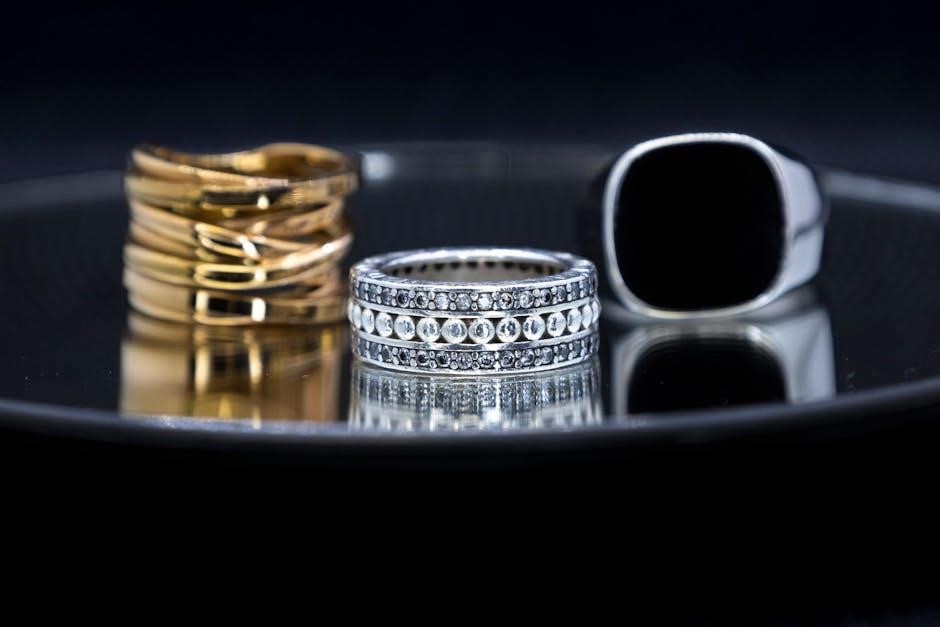
Adjusting for Bead Size & Bracelet Style
Bracelet length adjustments are vital; larger beads require extra length, while bangle styles differ from chain bracelets – prioritize comfort and movement for a perfect fit.
Adding Length for Larger Beads (6mm+)
When crafting or purchasing bracelets featuring beads 6mm and larger, it’s crucial to add extra length to your wrist measurement to ensure a comfortable and secure fit. Larger beads naturally restrict the bracelet’s flexibility and drape, requiring additional space for movement and preventing a feeling of tightness.
Generally, an additional inch (approximately 2.5 centimeters) is recommended for bracelets utilizing beads of this size. This allowance accommodates the increased bulk and allows the bracelet to sit comfortably on the wrist without feeling constricted. However, the precise amount of added length may vary depending on the specific bead size and the desired level of looseness.
For beads significantly larger than 6mm, consider adding even more length – perhaps 1.5 inches or more – to guarantee a comfortable and aesthetically pleasing fit. Always prioritize comfort and allow for natural wrist movement when determining the final bracelet length.
Considerations for Bangle vs. Chain Bracelets
Bangle bracelets, being rigid and circular, require a more precise fit than chain bracelets. A bangle should slide over the hand easily but not spin freely on the wrist; a snug, but not tight, fit is ideal. Measure the circumference of your hand at the widest point to ensure it can pass over the bangle.
Chain bracelets, offering greater flexibility, allow for a slightly looser fit. The “two-finger rule” – ensuring two fingers fit comfortably between the bracelet and wrist – is a good guideline. This provides room for movement and prevents constriction.
Consider the clasp style of chain bracelets; some clasps add extra length. When choosing a bangle, prioritize a size that doesn’t feel restrictive, while chain bracelets can be adjusted or altered more easily if needed. Always factor in personal preference for comfort and style;
Comfort and Movement: The Two-Finger Rule
A universally recommended guideline for bracelet fit is the “two-finger rule.” This simple test ensures the bracelet isn’t too tight, restricting circulation, or too loose, causing it to slide around uncomfortably. After fastening the bracelet, attempt to slide two fingers between the bracelet and your wrist.
If two fingers fit with slight resistance, the fit is generally good, allowing for comfortable movement without feeling constricted. If it’s too tight to fit two fingers, the bracelet is likely too small. Conversely, if there’s excessive space, it may be too large.
This rule is particularly useful for chain bracelets, but can also be applied to bangles as a general comfort check. Remember, personal preference plays a role; some prefer a snugger fit, while others favor more freedom of movement.

Specific Brand Sizing Charts (David Yurman Example)
Brand sizing can vary; David Yurman’s printable guide may differ from actual fit, necessitating in-store trials to confirm the perfect bracelet size for comfort.
Discrepancies in Brand Size Guides
Navigating the world of bracelet sizing often reveals inconsistencies between brand-specific charts and actual fit. Many users report that printed guides, even those from reputable jewelers like David Yurman, can be inaccurate. A seemingly correct measurement based on the guide might result in a bracelet that slides too easily or feels uncomfortably snug upon arrival.
These discrepancies stem from variations in how brands define bracelet length, the intended style (e.g., a snug cable bracelet versus a looser bangle), and manufacturing tolerances. It’s crucial to remember that a “medium” in one brand could equate to a “small” or “large” in another. Therefore, relying solely on online size charts is risky.
Personal experience and trying on bracelets in-store remain the most reliable methods for determining the perfect fit. When possible, always prioritize a physical trial to avoid the hassle of returns and exchanges due to inaccurate sizing information.
When to Try On In-Store
Prioritizing an in-store visit is highly recommended, especially when investing in a significant piece or unfamiliar brand. Given the frequent discrepancies in online size guides, physically trying on bracelets ensures a comfortable and accurate fit. This is particularly crucial for styles like cable bracelets, where a precise fit is essential to prevent excessive movement.
Trying on allows you to assess not only the length but also the bracelet’s width and how it feels against your skin. Consider the intended use – everyday wear versus special occasions – as this influences desired comfort levels. Don’t hesitate to experiment with different sizes and styles to find what suits your wrist best.
In-store assistance from a knowledgeable sales associate can further refine your selection, offering personalized recommendations based on your wrist size and preferences. This hands-on approach minimizes the risk of costly returns and guarantees satisfaction.
Bracelet Size Charts for Babies & Children (Newborn ౼ 7 Years)
Accurate measurements are vital for young wrists; age-based recommendations and careful, safe wrist measurements ensure a comfortable, secure fit for little ones’ bracelets.
Age-Based Sizing Recommendations
Generally, newborn babies require bracelets around 3.5 to 4.5 inches in length. As children grow, so must their bracelet sizes. For infants aged 6-12 months, a bracelet length of 4.5 to 5 inches is typically suitable. Toddlers between 1-3 years old usually fit bracelets ranging from 5 to 5.5 inches.
Preschoolers, aged 3-5 years, generally need bracelets between 5.5 and 6 inches long. Finally, children aged 6-7 years often require bracelets measuring 6 to 6.5 inches. These are approximate guidelines, and individual wrist sizes can vary significantly. Always prioritize a comfortable fit, allowing for growth and movement. Remember to add a small allowance for larger beads or specific bracelet styles. It’s always best to measure the child’s wrist directly for the most accurate sizing.
Measuring a Child’s Wrist Safely
When measuring a child’s wrist, prioritize their comfort and safety. Always ask for their cooperation and explain the process beforehand. Use a soft, flexible measuring tape – avoid rigid rulers that could cause discomfort. Gently measure the wrist at the point where the bracelet will sit, ensuring the tape isn’t too tight.
Avoid pulling the tape excessively, as this can lead to an inaccurate measurement; If the child is squirmy, enlist the help of another adult to keep their hand steady. Alternatively, measure while they are calmly engaged in an activity. Never leave a child unattended during measurement. Record the measurement in both inches and centimeters for greater accuracy when referencing size charts. A little patience ensures a perfect, safe fit!


About the author